 Dominic Goldens Career | Finance | Growth
Related Articles

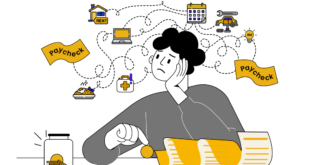

Unexpected expenses can happen at any time. A medical bill, car repair, job loss, or urgent home expense can quickly create financial stress.
An emergency fund helps you handle these situations without relying on credit cards or loans. This emergency fund guide explains why savings matter, how much you should save, and how to build your fund step by step.
What Is an Emergency Fund?
An emergency fund is money set aside for unexpected expenses. It is not meant for vacations, shopping, or planned purchases.
The main purpose of emergency savings is to protect you during difficult situations. Having extra money available can give you more confidence and financial control.
How Much Money Should You Save?
The ideal emergency fund amount depends on your income, expenses, and personal situation.
Many financial experts recommend saving enough to cover three to six months of essential expenses.
Your emergency savings should cover costs like the following:
- Housing payments
- Food and groceries
- Utility bills
- Transportation
- Insurance payments
- Basic healthcare costs
If saving several months of expenses feels difficult, start with a smaller goal.
How to Start Building an Emergency Fund
Building savings takes time. Start by setting a realistic monthly savings target.
Try these simple steps:
- Review your monthly budget
- Choose a savings amount you can maintain
- Set up automatic transfers
- Reduce unnecessary spending
- Save extra income when possible
Consistency is more important than saving a large amount quickly.
Where Should You Keep Emergency Savings?
Your emergency fund should be easy to access but separate from your everyday spending account.
A savings account with quick access can be a good option because your money stays available when you need it.
Avoid keeping emergency money in risky investments where the value can change.
Common Emergency Fund Mistakes to Avoid
Many people make mistakes that slow their savings progress. Avoid using your emergency fund for non-essential purchases.
Also, do not wait for the “perfect time” to start saving. Even small amounts can build financial protection over time.
This emergency fund guide shows that financial security starts with preparation. A strong emergency fund can help you manage unexpected costs and reduce money-related stress.
Start with a small goal, save consistently, and gradually build a safety net that supports your future.