 Dominic Goldens Career | Finance | Growth
Related Articles

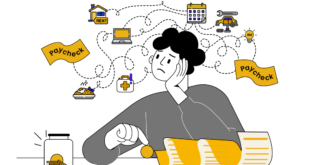

Managing monthly expenses can be challenging when bills, subscriptions, and daily costs continue to increase. Learning how to reduce monthly expenses can help you save more money, manage your budget, and reach your financial goals faster.
Small changes in your spending habits can create big savings over time. You do not need to make extreme lifestyle changes. A few smart decisions can make a noticeable difference.
Track Your Monthly Spending Habits
The first step to reducing expenses is knowing where your money goes. Many people spend more than they realize on small purchases.
Review your bank statements and divide your expenses into categories:
- Housing costs
- Food and groceries
- Transportation
- Entertainment
- Subscriptions
- Personal expenses
Tracking your spending helps you identify areas where you can cut costs.
Create a Realistic Monthly Budget
A budget gives you control over your money. Start by listing your income and fixed expenses.
Set limits for flexible spending areas like shopping, dining out, and entertainment. A clear budget helps you avoid unnecessary purchases and stay focused on your financial goals.
Reduce Unnecessary Subscriptions
Monthly subscriptions can quietly increase your expenses. Streaming services, apps, memberships, and online tools can add up quickly.
Review your subscriptions regularly and cancel services you no longer use. Keeping only the ones you truly need can help you save money every month.
Save Money on Food Costs
Food is one of the biggest monthly expenses for many households. Simple changes can lower your grocery bills.
Try these tips:
- Plan meals before shopping
- Cook at home more often
- Buy items in bulk when useful
- Avoid frequent takeout orders
Small food savings can create a healthier budget.
Lower Utility and Household Bills
Reducing energy use can help decrease monthly bills. Turn off unused lights, use energy-efficient appliances, and avoid wasting water.
You can also compare service providers for internet, insurance, or phone plans to find better deals.
Avoid Impulse Purchases
Impulse buying can quickly damage your budget. Before purchasing something, ask yourself if it is necessary.
Waiting 24 hours before making non-essential purchases can help you make smarter financial decisions.
Final Thoughts on Reducing Monthly Expenses
Learning how to reduce monthly expenses is about making better money choices, not removing everything you enjoy. By tracking spending, creating a budget, and cutting unnecessary costs, you can save more and build stronger financial habits.
Small savings today can lead to greater financial freedom in the future.